I’m a bit frustrated. I tried to talk to an artist about how pale
they made Asra in a recent fanart they made, to the point where he looks
real pink. It was a civil conversation, but as expected, they chalk it
down to lighting and brush me off, saying they have nothing to apologize
for.
I’m not angry. Just disappointed.
I understand that artists are allowed to make their mistakes, but
there’s been too many times I’ve seen Asra or Nadia with their skin
tones straight up whitened.
When a person of color confronts you about this kind of stuff, it’s not
to punish you or make you feel bad about your art. I obviously love your
art! When I or others tell you your coloring is off, we know that you
have the skills available to improve on stuff like this! We want you to
succeed! I know y’all aren’t allergic to brown! lol
People
might think this is an uphill battle and it’s futile given this fandom’s
history with either ignoring or talking down to fans of color. But! I
refuse to give up. I want everyone to learn. So here’s some tutorials.
I hope you learn something on these videos! Have a nice day!
Being a writer is making headcanons for your character only five seconds later realising that they could be canon. Because you’re the author. You have the power to make them do The Thing
more on writing muslim characters from a hijabi muslim girl
– hijabis get really excited over pretty scarves – they also like to collect pins and brooches – we get asked a lot of questions and it can be annoying or it can be amusing, just depends on our mood and personality and how the question is phrased – common questions include: – “not even water?” (referring to fasting) – hijabis hear a lot of “do you sleep in that?” (we don’t) and “where is your hair?” (in a bun or a braid, usually) – “is it mooze-slim or mozzlem?” (the answer is neither, it’s muslim, with a soft s and accent on the first syllable) – “ee-slam or iz-lamb?” (it’s iss-laam, accent on the first syllable) – “hee-job?” (heh-jahb, accent on the second syllable)
– “kor-an?” (no. quran. say it like koor-annn, accent on the second syllable) – people tend to mess up our names really badly and you just get a sigh and a resigned nod or an awkward smile, maybe a nickname instead – long hair is easy to hide, short hair is harder to wrap up – hijab isn’t just covering hair, it’s also showing as little skin as possible with the exception of face, hands, and feet, and not wearing tight/sheer clothing – that applies to men too, people just don’t like to mention it ( i wonder why) – henna/mehendi isn’t just for special occasions, you’ll see people wearing it for fun – henna/mehendi isn’t just for muslims, either, it’s not a religious thing – henna/mehendi is not just for women, men also wear it, especially on their weddings – there are big mehendi parties in the couple of nights before eid where people (usually just women and kids) gather and do each other’s mehendi, usually just hands and feet – five daily prayers – most muslim kids can stutter through a couple verses of quran in the original arabic text by the age of seven or eight, it does not matter where they live or where they’re from or what language they speak natively – muslim families tend to have multiple copies of the quran – there are no “versions” of the quran, there has only ever been one. all muslims follow the exact same book – muslims have no concept of taking God’s name in vain, we call on God at every little inconvenience – don’t use islamic phrases if you don’t know what they mean or how to use them. we use them often, inside and outside of religious settings. in islam, it is encouraged to mention God often and we say these things very casually, but we take them very seriously – Allahu Akbar means “God is Greatest” (often said when something shocks or surprises us, or if we’re scared or daunted, or when something amazing happens, whether it be good or bad; it’s like saying “oh my god”) – Subhan Allah means “Glory be to God” (i say subhan Allah at the sky, at babies, at trees, whatever strikes me as pleasant, especially if it’s in nature) – Bismillah means “in the name of God” and it’s just something you say before you start something like eating or doing your homework – In Shaa Allah means “if God wills” (example: you’ll be famous, in shaa Allah) (it’s a reminder that the future is in God’s hands, so be humble and be hopeful)
– Astaghfirullah means “i seek forgiveness from Allah” and it’s like “god forgive me” – Alhamdulillah means “all thanks and praise belong to God” and it’s just a little bit more serious than saying “thank god” (example: i passed my exams, alhamdulillah; i made it home okay, alhamdulillah) – when i say we use them casually, i really mean it – teacher forgot to assign homework? Alhamdulillah – our version of “amen” is “ameen” – muslims greet each other with “assalamu alaikum” which just means “peace be on you” and it’s like saying hi – the proper response is “walaikum assalam” which means “and on you be peace” and it’s like saying “you too”
As a Muslim this post is so very important and it makes me so happy that it gives the small facts and details that one might be unaware of or confused about.
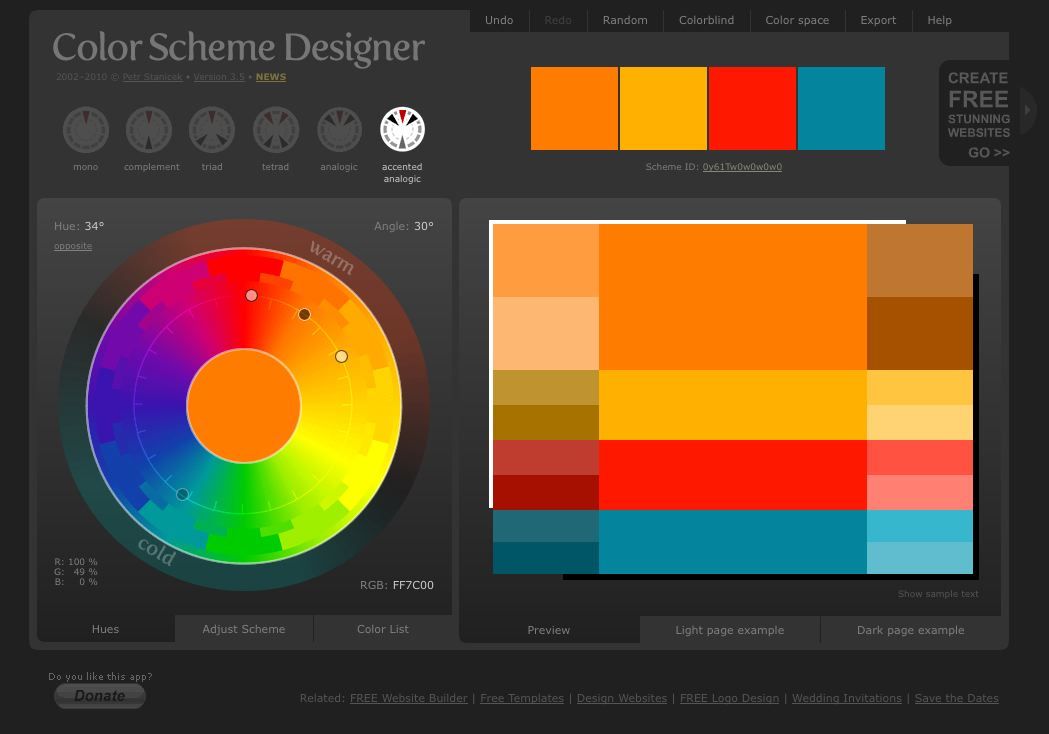
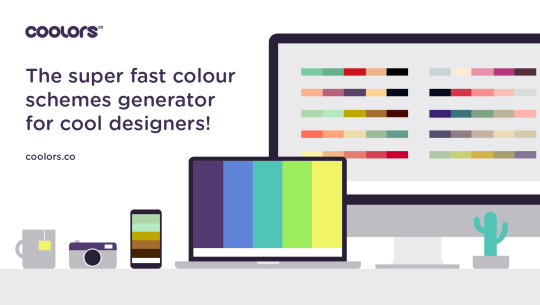
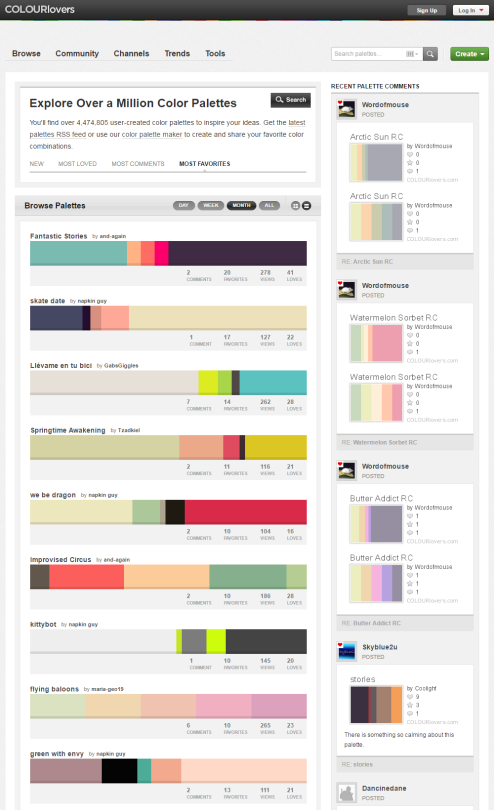
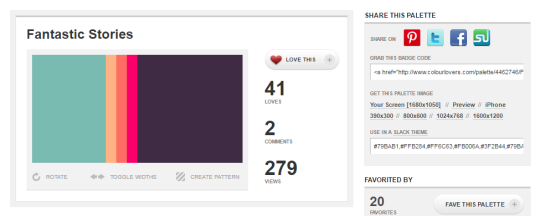
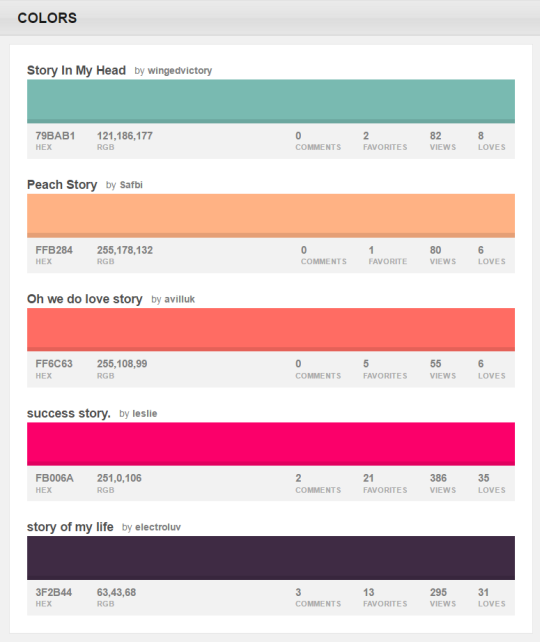
You can browse the most popular ones or search for certain colors, themes, and even specific hex codes!
When you find one you like, you can download a wallpaper swatch of it and also select the specific colors it uses to look at more palettes that use those same ones.




 Ginger's Art n Junk